Research has shown that many children with autism often have other health issues such as sleep problems, food selectivity, mood disorder, aggressive and self-injurious behavior and epilepsy.
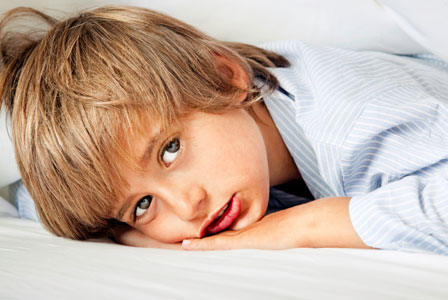
Sleep difficulties may be even more common in children with autism. Researchers estimate that between 40% and 80% of children with autism have difficulty sleeping. The biggest sleep problems among these children include difficulty falling asleep, inconsistent sleep routines, restlessness or waking early. There are several interventions available to help those with autism obtain a better sleep:
- Take a melatonin supplement, available in most grocery, drug and health-food stores. Melatonin is a natural substance produced by the body to help induce sleep. It is believed that those indviduals with autism who have sleep difficulties are deficient in melatonin production.
- Use "white noise" - since many individuals with autism have sensory processing disorders, a white noise machine can be helpful in drowning out surrounding sounds and allowing the person to only focus on one set of sounds, leading to more successful sleep.
- Use a weighted blanket which provides deep pressure and can help calm and relax the body thereby inducing better sleep.
- Participate in "heavy work" activities which can help calm and organize the sensory system, increasing self-regulation and lessen the chance that extra sensory input will disrupt sleep.
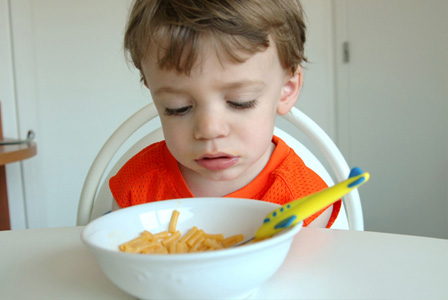
The sensory problems of an individual with an Autism Spectrum Disorder can often lead to extreme food selectivity when assimilating the senses such as touch, smell, hearing, taste and sight. Individuals may be extremely sensitive to certain bland tastes, or possibly oblivious to strong tastes such as chili. Just as a child can find the very feel of a fabric against their skin very unpleasant, the texture of a particular food could be almost painful. Conversely, foods with say a crunchy texture may be loved, while any other texture is rejected. This kind of sensitivity can also extend to temperature, where food may only be acceptable at a precise temperature; smell, where the odor of other nearby food they don't like can be enough to make them lose their appetite; color, where some individuals will only eat foods of a certain color, or food can only be eaten if it is from a favorite container or plate.
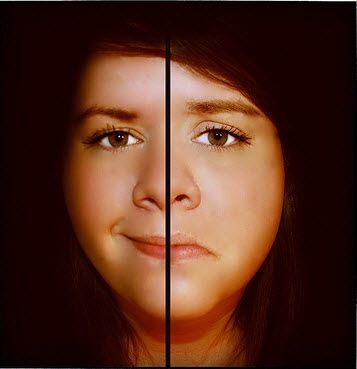
Many people with autism have mood disorders such as anxiety, depression and anger. These issues seem to be more common among people with high functioning autism This may because people with high functioning autism are more aware of their differences and more likely to feel the effects of being ostracized by peers. But some experts believe that mood disorders that go along with autism may be caused by physical differences in the autistic brain. Mood disorders can be treated with medication, cognitive psychology, and behavior management. If the issues are caused by external issues, though, it makes the most sense to change the environment to suit the needs of the patient.
In individuals with autism, self-injurious behaviors are one of the most concerning forms of lower-level repetitive stereotypic behaviors and can include:
- head banging (on floors, walls or other surfaces)
- hand or arm biting
- hair pulling
- eye gouging
- face or head slapping
- skin picking, scratching or pinching
- forceful head shaking
The prevalence rates of self-injurious behaviors in individuals with developmental disabilities ranges from 5-16% in several studies.
It is estimated that as many as 1 out of 3 individuals with autism spectrum disorder also have epilepsy. Among children and adolescents with autism, from 20-40% experience some form of epilepsy between early childhood and adulthood.
Many of these concurrent disabilites are intertwined and as such, caused by each other. For example, many sleep difficulties are often associated with gastrointestinal problems and mood disorders. Food intolerances are associated with gastrointestinal issues. Subjects with mood disorder have a tendency to develop self-injurious behaviors. Recognition of the co-occurrence of these concurrent disorders may provide better insight into the most effective therapeutic strategy.